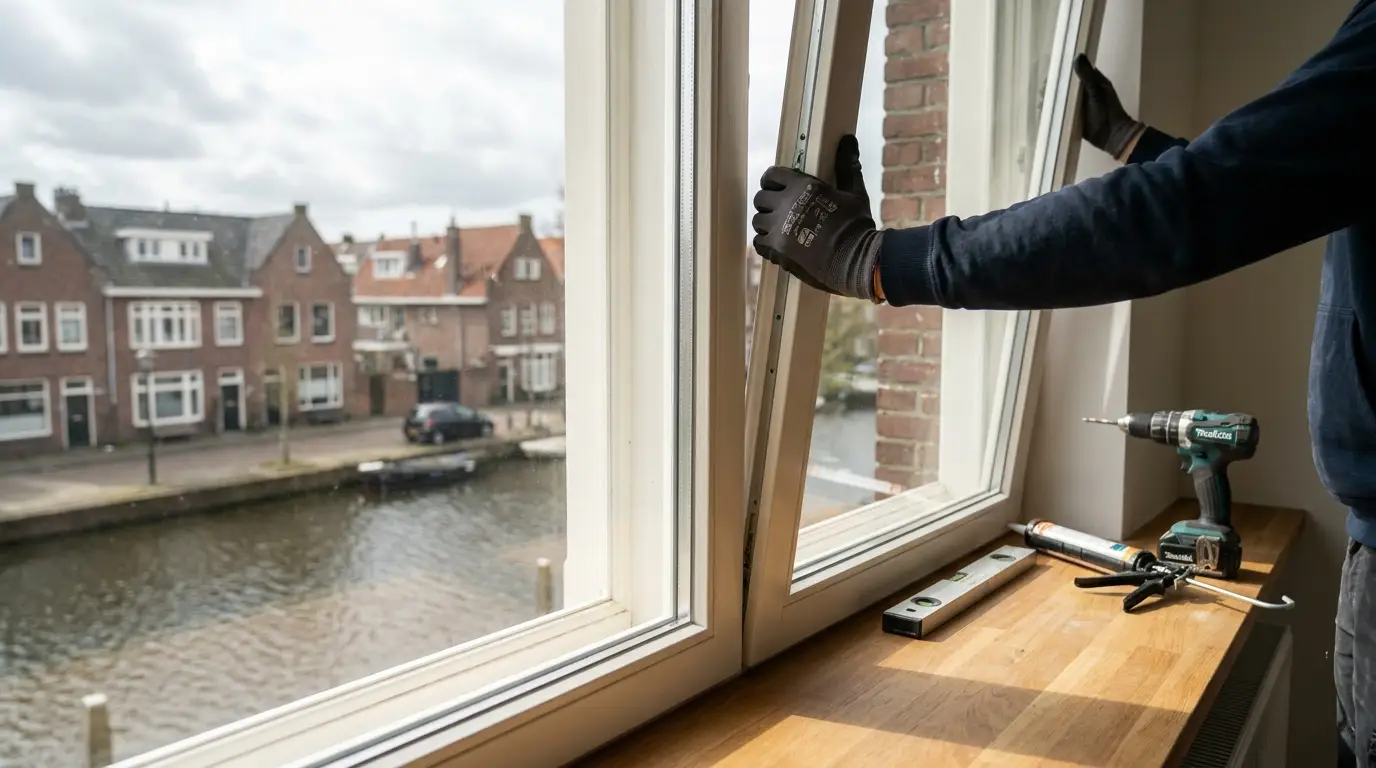
Cost of installing or replacing glass: everything you need to know
Installing or replacing glass is needed when you have a broken window pane, outdated single glazing, or want to upgrade to HR++ glass (high-efficiency double glazing) for better insulation. The total cost depends on the type of glass, the size of the pane, the height and accessibility, and the glazier's labor costs. In this overview, you'll find current prices.
In this article
- ›What does installing or replacing glass cost on average?
- ›Prices by glass type
- ›Material and labor costs
- ›Hiring a glazier vs. doing it yourself
- ›How does the glazing work go?
- ›Money-saving tips for replacing glass
- ›Frequently asked questions
Need a contractor for this?
Describe your job and get quotes from contractors near you.
average price
€200
per pane incl. labor and materials
average hourly rate
€55
contractor hourly rate (€40–70/hour)
turnaround time
1–2 days
depending on number of panes
€ Average price by type
| Glass type | Range | Average price |
|---|---|---|
| Replacing single glazingstandard pane in an older home | €75 – €150 | €110avg.incl. installation |
| Double glazing (HR++)most popular, good insulation | €150 – €350 | €200avg.incl. installation |
| Triple glazing (HR+++)maximum insulation, new construction quality | €250 – €500 | €350avg.incl. installation |
| Safety glass (laminated or tempered)required in certain locations | €200 – €600 | €380avg.incl. installation |
| Installing emergency glazingtemporary cover after a break-in or breakage | €50 – €150 | €90avg.incl. installation |
Prices per pane including materials and installation; large or hard-to-reach panes fall at the top of the range. Based on Google price research.
Material and labor costs
Glazier hourly rate averages €40–70/hour. A trip charge is usually billed separately (€30–60).
Hiring a contractor vs. doing it yourself
| Job | Do it yourself | Via a contractor | Savings doing it yourself |
|---|---|---|---|
| Replacing single glazing (small pane)standard flat pane up to approx. 60×90 cm in a frame | With experienceDoable for handy DIYers with the right sealant, gaskets, and a glass cutter; poor sealing leads to moisture infiltration | €75–130 | up to €80 |
| Installing HR++ or HR+++ insulated glassdouble or triple insulated glass for a living room or bedroom | Not recommendedInsulated glass easily weighs 20–40 kg per m² and requires two people; incorrect glazing gaskets cause condensation between the panes | €150–400 | No recommended savings |
| Installing safety glasslaminated or tempered glass in doors, roof windows, or low window walls | Not recommendedThe Bouwbesluit sets requirements for where safety glass is used; incorrect installation leads to failing inspection or a denied insurance claim in case of damage | €200–600 | No recommended savings |
| Applying temporary emergency glazing or cover filmmakeshift closure after a break-in or storm damage | DoableTaping sturdy sheet material or transparent emergency film is something you can do yourself as a stopgap; permanent glass still has to be installed by a contractor afterward | €10–35 materials | up to €90 |
| Glazing a roof window or dome skylightreplacing glass in a sloped surface or a plastic dome | Not recommendedWorking at height with heavy glass on a sloped roof requires scaffolding access or a ladder lift; risk of falls and underinsurance for DIY accidents | €250–600 | No recommended savings |
For most pane replacements, a professional glazier is the safest and, in the long run, cheapest choice. HR++ and HR+++ glass easily weighs 20 to 40 kg per square meter and has to be handled by two people; incorrect installation or a poorly fitted glazing gasket leads to condensation between the panes, which makes the glass worthless. Safety glass is also subject to requirements from the Bouwbesluit (the Dutch Building Code): tempered or laminated glass is required in doors, low window walls, and roof windows, and a DIYer who gets this wrong risks failing inspection and a denied insurance claim in case of damage. A handy DIYer can replace small single panes themselves (think of a side pane in an interior door or a small garden shed window), as long as they have the right silicone sealant, glazing gaskets, and a glass cutter. Always check your home or contents insurance first: for storm or burglary damage, it usually covers the full cost of a professional glazier, so doing it yourself offers no financial advantage.
The full process step by step
Measuring and choosing the glass type
The glazier precisely measures the frame's glazing rebate in millimeters (height × width) and subtracts the necessary clearance. At the same time, they determine which glass type is legally required at that location: safety glass for doors and low window walls, HR++ for insulation needs.
15–30 minutes
Ordering custom glass from the wholesaler
Based on the measurements, the glazier orders the glass from a glass wholesaler. Standard HR++ glass is often available the same or next business day. Special glass (laminated, tempered, coated, or in a non-standard size) takes 3 to 7 business days to deliver.
1–7 business days
Safely removing the old glass
The glazier carefully removes the damaged or outdated glass, breaks away any remaining pieces in a controlled way, and thoroughly cleans the rebate of old sealant, gaskets, and glass fragments. Shards are immediately packed safely for disposal.
15–30 minutes
Placing setting blocks and inserting the glass
Setting blocks are placed in the right position in the rebate to absorb the pressure of the glass and ensure water drainage. Then the new glass is placed in the frame, always with two people for heavy insulated glass.
20–45 minutes per pane
Applying sealant or glazing gaskets
An airtight and watertight seal of sealant or glazing gaskets is applied around the pane. For insulated glass, a specific elastic sealant is used that absorbs the thermal movement of the glass without cracking.
15–30 minutes per pane
Inspection, cleaning, and advice
The glazier checks that the pane sits flat, that all sides are properly sealed, and that the sealant is smoothed evenly. Excess sealant is removed. The customer gets advice on the curing time (24–48 hours for silicone) and when the window can be operated again.
10–15 minutes
6 smart money-saving tips
Frequently asked questions
What does installing or replacing glass cost on average?
On average €200 per pane, including materials and labor. The range is wide: simple single glazing can start at €75, while large or special panes can cost €600 or more.
How long does replacing glass take?
Replacing a standard pane takes 30 to 60 minutes. With multiple panes or hard-to-reach locations, the glazier plans 1 to 2 days.
Do I need a permit to replace glass?
No, normal glazing work in existing window frames doesn't require a permit. If you live in a protected historic district or a historic building, check with your municipality.
Can I replace glass myself?
Replacing single glazing in a frame is technically possible for handy DIYers, but double and triple glazing is too heavy and technically too complex. Glazing work also requires the right sealants and gaskets. A glazier is quick, and cheaper than you'd think compared to a failed attempt.
What does glass cost per square meter?
HR++ glass costs an average of €80 to €160 per m² for the material alone. Including installation, you'll pay €150 to €250 per m². Triple glazing is higher: €200 to €350 per m².
Is glass insurance worth it?
Many home and contents insurance policies cover glass damage. Check your policy before you hire a glazier: your insurer may reimburse the costs (minus the deductible).
Related jobs
Ready to have your window pane replaced by a skilled glazier?
Describe your job and receive quotes from verified glaziers near you.
Within 24 hours
response from a contractor
Verified
all contractors checked
Competitive price
compare quotes